SP3 Company
Wisdom Tooth Removal in São Paulo: A Guide for International Patients
Planning wisdom tooth removal in São Paulo? Review evaluation, imaging, anesthesia questions, recovery, warning signs, travel timing, and follow-up.
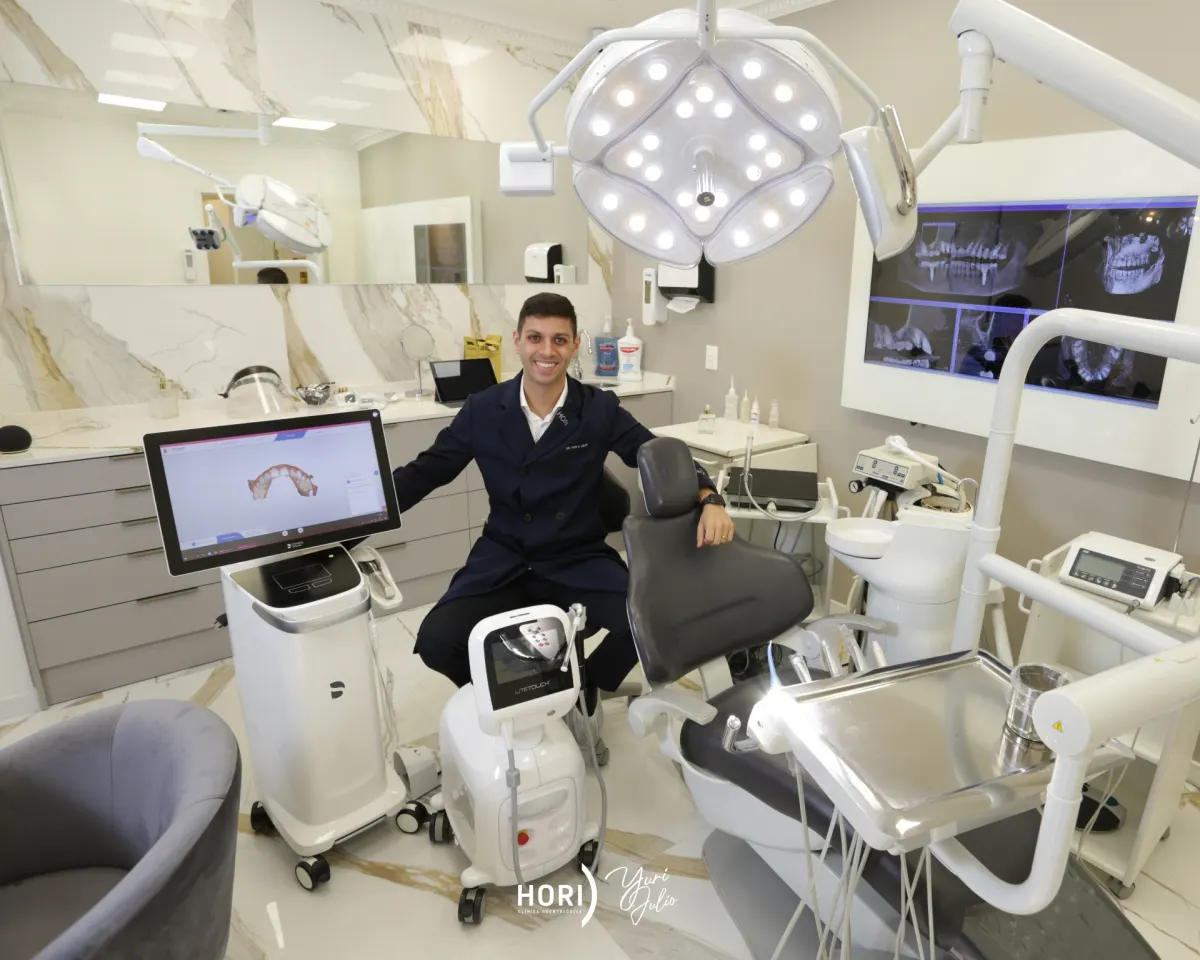
Quick answer: Wisdom tooth removal in São Paulo should be planned around a clinical evaluation, appropriate imaging, a clear explanation of why removal or monitoring is recommended, and a recovery plan that fits your travel. Do not schedule surgery and a fixed flight based only on symptoms or an online image review.
Wisdom teeth, also called third molars, can be fully erupted, partly erupted, or impacted. Some cause pain, infection, damage, or cleaning problems; others may be monitored. The decision is individual.
Describe symptoms and urgency accurately
Tell the clinic when symptoms began and whether you have swelling, fever, bad taste, drainage, difficulty opening the mouth, swallowing problems, altered sensation, or recent treatment. Some symptoms require prompt local assessment rather than waiting for international travel. If breathing or swallowing is affected or swelling is rapidly progressing, seek urgent care where you are.
Do not start leftover antibiotics or change prescribed medicines without appropriate professional advice. Medication may affect symptoms without resolving the cause.
Ask why removal or monitoring is recommended
The clinician may evaluate the tooth, surrounding gums, neighboring teeth, bite, infection history, and imaging. The 2024 AAOMS clinical paper on impacted third molars lists possible associated problems but also describes situations in which an impacted tooth may be monitored. Ask which finding applies to you and what follow-up would be needed if the tooth remains.
If more than one wisdom tooth is present, ask whether each has the same indication. A treatment plan should not assume that every third molar requires identical management.
Understand the imaging question
A panoramic image may be used for an overview; three-dimensional imaging may be considered when it answers a specific question about anatomy or surgical planning. Ask whether your existing images are adequate and why another exam is recommended.
If the roots appear close to a nerve or an upper tooth is near the maxillary sinus, ask how that relationship affects the options and consent discussion. Read the related guide on nerve and sinus assessment.
Discuss anesthesia, sedation, and practical support
Ask whether local anesthesia, sedation, or another setting is proposed and why. Clarify fasting or medicine instructions, monitoring, transport home, and whether an adult escort is required. If sedation is planned, arrange support before the appointment and do not assume you can drive, work, or travel immediately afterward.
Confirm costs for consultation, imaging, the procedure, anesthesia or sedation, medication, and reviews. Ask what could change after examination.
Make recovery compatible with travel
Written aftercare should explain hygiene, food, activity, prescribed medicines, expected symptoms, warning signs, and contact instructions. Swelling and discomfort can change over several days, so a next-day flight may not match the clinician’s advice or allow time for review.
Ask how long to remain in São Paulo, when the first follow-up is expected, and what to do if a concern occurs after returning home. Request a procedure summary and relevant images for your dentist at home.
Hori Clinic is located in Jardim Paulista, São Paulo. Review the international patient travel checklist and contact the clinic to confirm which records and appointment type are appropriate.
Prepare for the first days after the procedure
Ask what food, hygiene supplies, medication, and support you may need at your accommodation. Confirm whether someone should accompany you, how soon the clinic wants to review you, and which symptoms should lead to an urgent call or local emergency assessment. Do not rely on a tourism schedule when deciding how much recovery time to allow.
Before returning home, request the procedure summary, relevant images, written aftercare, and a contact route for questions. If sutures or another in-person step may be needed later, arrange who can provide that care where you live. International travel adds distance to routine follow-up, so the plan should identify what can be handled remotely and what requires examination. Keep flights flexible until the treating clinician advises that your current recovery is compatible with travel.
*Educational information only. This article is not a diagnosis or personalized treatment recommendation and does not replace an evaluation by a qualified professional.*
Perguntas frequentes
Does every wisdom tooth need to be removed?
No. Removal or monitoring should follow an individual clinical and radiographic assessment. Ask what problem or future risk is being addressed and what monitoring would involve if surgery is not recommended.
What records should I send before travelling?
Ask the clinic whether recent panoramic or three-dimensional images, prior reports, medicine and allergy lists, and your medical and dental history are useful. The team should confirm whether any file is recent and adequate.
How long should I stay in São Paulo after removal?
There is no universal number of days. Timing depends on the surgery and your condition. Ask when the first review may occur and discuss flight plans before booking.
What should I ask about anesthesia or sedation?
Ask which option is proposed, who administers it, what pre-procedure instructions apply, what monitoring is used, whether you need an escort, and when you may travel or resume activities.
Temas relacionados
- dental care in Brazil
- wisdom tooth removal São Paulo
- international dental patients
- oral surgery Brazil
- dental travel Brazil