SP3 Company
Dental Care in Brazil: A Practical Guide for International Patients
Considering dental care in Brazil? Learn how to check a dentist’s registration, prepare for an evaluation in São Paulo, compare plans, and arrange follow-up.
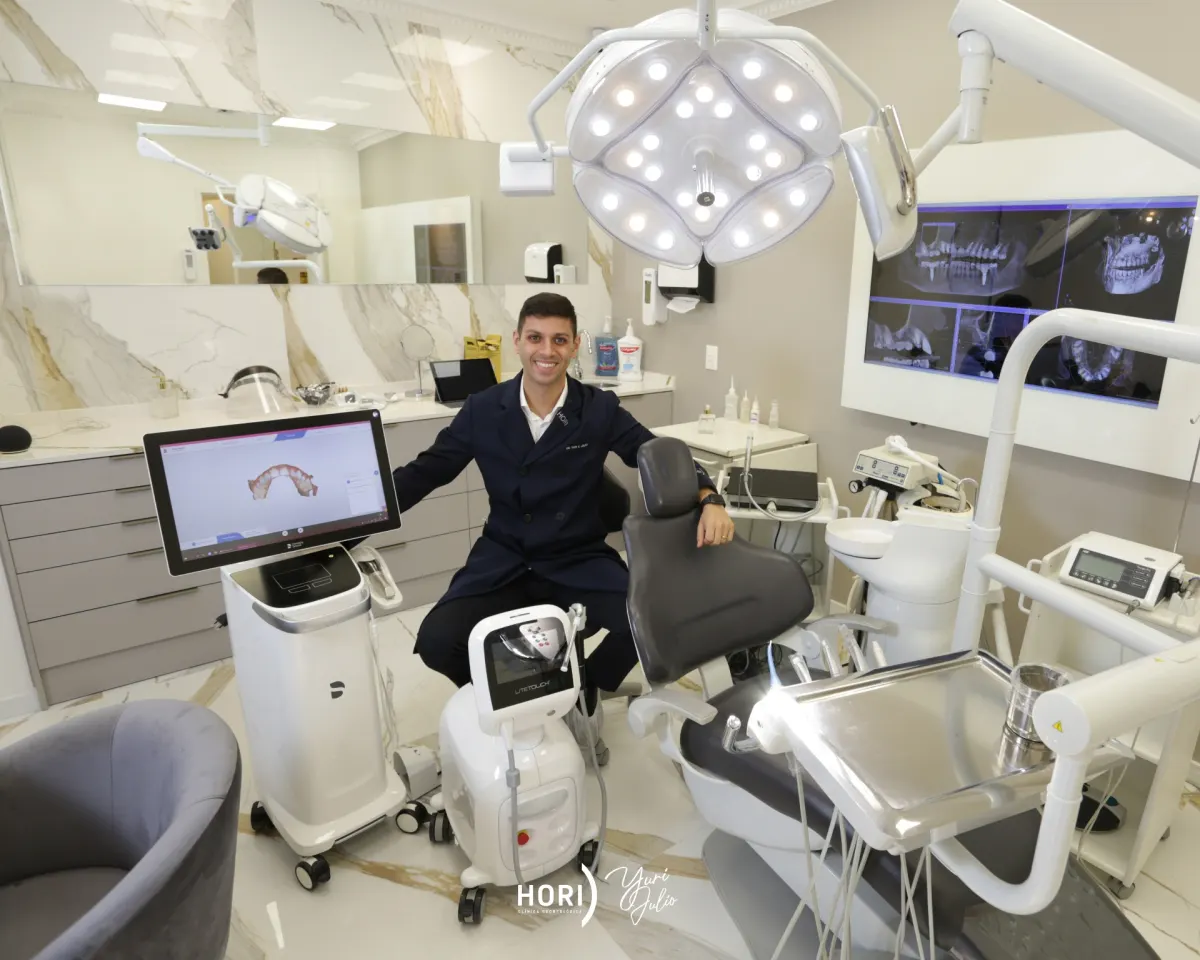
Quick answer: International patients considering dental care in Brazil should first verify the treating professional’s registration, request an individual evaluation, understand the written treatment plan and total estimate, and agree on follow-up before booking travel. A destination or online quote cannot establish whether a procedure is suitable or guarantee an outcome.
Brazil has a large and varied dental sector, so a country-level reputation is not a substitute for checking the specific professional, clinic, and plan. If you are comparing care in São Paulo with options at home, use the same careful questions you would use for any significant healthcare decision. This guide explains how to prepare and what to clarify with a dental team.
1. Verify the professional and the clinic
Ask for the full name of the dentist who will assess and treat you, the professional registration number, and the names and roles of anyone else involved. In São Paulo state, the Regional Council of Dentistry of São Paulo (CROSP) provides an official professional lookup. Confirm the relevant registration and any specialty information through the appropriate council; do not rely on a social media profile or a ranking claim alone.
Also verify the clinic’s address, how appointments are arranged, and the channel used to send health records. If you need English-language support, ask whether it is available for the consultation, consent discussion, written estimate, and aftercare—not only the first message.
2. Understand what an evaluation can decide
A message exchange, photograph, or remote call can help the team understand your questions and organize records. It may not show everything needed for diagnosis. Examination findings and suitable imaging can change a preliminary discussion, the proposed treatment, the number of visits, or the estimate. Ask the clinician to state clearly what is provisional and what requires an in-person assessment.
A useful evaluation should leave you able to explain the concern being assessed, the options discussed, why a particular option is being considered, and what questions remain. You can ask about observation or no treatment when appropriate, as well as alternatives that may be available closer to home.
3. Prepare useful records securely
Before you contact a clinic, make a short list of your main concern, relevant dental history, prior procedures, current medicines, allergies, and significant medical conditions. Ask which recent X-rays, scans, reports, or clinical notes would help. The team may need original imaging files rather than screenshots; ask before sending large or sensitive files.
Use a channel confirmed by the clinic. Avoid posting health information in public comments or sending documents to an unverified account. Keep a copy of what you shared and note the date. If records are in another language, ask whether a translation or short summary is useful.
4. Compare written treatment plans, not slogans
Request a written plan that describes the working diagnosis, proposed steps, who will perform them, alternatives, material risks, expected appointments, and follow-up. Ask what is included in the estimate: evaluation, imaging, laboratory work, materials, medication, adjustments, and later visits. Confirm what could change after an examination and how any change will be discussed before proceeding.
For complex, irreversible, or high-cost care, taking time to understand the plan or seeking another opinion can be reasonable. A second opinion is most useful when you can share the relevant records and ask the same focused questions of each professional. A lower quote or a dramatic promise is not, by itself, evidence that a plan is better.
5. Plan continuity before you travel
Ask who will answer questions during the visit and after you return home, what response hours apply, and when an in-person review is needed. Request a copy of your records, images, procedure details, medication instructions, and follow-up recommendations before leaving. If you have a dentist at home, ask how the clinic can share information with that professional, with your consent.
Discuss travel timing with the treating clinician. Advice about flying, activity, or the interval between appointments depends on the planned care and your health. Do not use a generic recovery calendar to choose a return flight. Keep travel arrangements flexible until the clinical sequence is clear.
Questions to bring to an evaluation
- Who will examine and treat me, and how can I verify their registration?
- Which conclusions are possible before I arrive, and which require examination or imaging?
- What are the reasonable alternatives, including waiting or treatment near home?
- What does the estimate include, and what could change it?
- Which risks and aftercare instructions are specific to my case?
- How will records and follow-up work after I return?
Hori Clinic is located at Av. Nove de Julho, 5124, Jardim Paulista, São Paulo, SP, Brazil. See clinic location information, Dr. Yuri Julio’s profile, or contact the team to ask what information is needed for an evaluation. These pages can explain clinic logistics; only a qualified professional reviewing your case can advise whether a particular treatment is appropriate.
*Educational information only. This article is not a diagnosis or personalized treatment recommendation and does not replace a consultation with a qualified professional.*
Temas relacionados
- dental care in Brazil
- international dental patients
- São Paulo dentist
- dental evaluation
- Hori Clinic